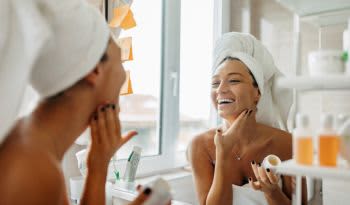
Dry, flaky, tight, or irritated skin can be a sign that your skin barrier needs a little extra support. While active ingredients such as retinoids, alpha hydroxy acids, beta hydroxy acids, and vitamin C can be valuable additions to a skincare routine, more isn’t always better. Using too many active ingredients, or using them too frequently, can leave skin feeling uncomfortable and looking red or inflamed.
Sometimes the best approach to skin barrier repair is to simplify your routine.
Inactive skincare products are a useful part of that strategy. Rather than focusing on exfoliation, acne treatment, pigmentation, or other specific skin concerns, these products are designed primarily to cleanse gently, add moisture, reduce water loss, and support the skin barrier.
If your skin is feeling sensitive or overworked, consider temporarily putting aggressive actives on the sidelines and choosing gentle, non-stripping skincare formulas instead. Read on for a round-up of some of my favorite lotions, gels, and soothing skincare products that help support and repair your skin barrier.
What Are Ceramides?
Ceramides are lipids naturally found in the outermost layer of your skin. They are an important component of the skin barrier and help maintain the skin's ability to retain water.
Your skin contains several types of lipids—including ceramides, cholesterol, and fatty acids—that work together to create an effective barrier. When the barrier is functioning properly, it helps keep moisture in while protecting against environmental stressors.
Ceramides can become depleted with age and may also be affected by environmental exposure and harsh skincare practices. Applying ceramides topically can help support the skin barrier and improve the feel and appearance of dry skin.1
Inactive vs. Active Products
The terms “active” and “inactive” can be confusing because they are not simply a matter of whether an ingredient is good or bad for your skin.
Active skincare ingredients are generally used to produce a specific biological or cosmetic effect, such as increasing cell turnover, unclogging pores, reducing pigmentation, or treating acne. Inactive, or barrier-supportive skincare products, tend to focus on maintaining hydration, minimizing irritation, and supporting the skin's protective function.
The goal isn't to avoid active ingredients forever. Instead, think of inactive skincare products as the foundation of a routine that helps your skin tolerate and benefit from targeted treatments.
Inactive Skincare Products
Inactive skincare products generally include gentle cleansers, moisturizers, soothing serums, facial oils, and other formulas that prioritize hydration and barrier support. Common ingredients found in these products include:
- Ceramides
- Glycerin
- Hyaluronic acid
- Squalane
- Petrolatum
- Dimethicone
- Oat and colloidal oatmeal
- Aloe vera
- Panthenol
- Plant oils
- Green tea
- Centella asiatica
These ingredients can have different functions. Humectants like glycerin attract water, emollients like ceramides help smooth and soften the skin, and occlusive ingredients like petrolatum help reduce water loss.2 A good skin barrier repair cream often combines several of these categories rather than relying on one ingredient alone.
Benefits of Inactive Skincare Ingredients
Barrier-supportive ingredients can help:
- Increase skin hydration
- Reduce dryness and flaking
- Improve the feeling of tight or uncomfortable skin
- Reduce moisture loss
- Support the skin’s protective barrier
- Help skin feel softer and smoother
- Provide a more comfortable base for active ingredients
For someone with a damaged skin barrier, simplifying the routine can be just as important as choosing the right moisturizer.
Active Skincare Products
Active skincare ingredients can be extremely useful when selected for the right concern and introduced appropriately. Examples include:
- Retinoids, such as retinol and tretinoin
- Alpha hydroxy acids, such as glycolic and lactic acid
- Beta hydroxy acids, such as salicylic acid
- Benzoyl peroxide
- Vitamin C
- Azelaic acid
These ingredients can help address acne, fine lines, uneven pigmentation, and other concerns. However, irritation can occur when actives are combined unnecessarily, used too frequently, or introduced too quickly.
Remember, just because an ingredient causes irritation doesn’t mean it’s inherently “bad.” Even effective products can become problematic when the dose, frequency, or combination is inappropriate for your skin.
Benefits of Active Skincare Ingredients
Unlike inactive ingredients and skincare products that primarily cleanse, moisturize, and protect the skin, active ingredients are formulated to target specific skin concerns. Depending on the ingredient, benefits may include:
- Help prevent and treat acne
- Improve fine lines and other signs of aging
- Brighten skin and improve uneven pigmentation
- Smooth skin texture
- Deliver more targeted results
Active and inactive products aren't competitors—they serve different purposes. A healthy routine often contains both, but when your skin barrier is irritated, barrier-supportive products should take center stage.
Signs Your Skin Barrier Is Damaged
Wondering whether you have a damaged skin barrier? Common signs include:
- Persistent dryness or flaking
- Skin that feels tight after cleansing
- Increased sensitivity to products that normally feel comfortable
- Stinging or burning when applying skincare
- Redness or irritation
- Rough or uneven texture
- Increased dryness despite moisturizing
- Skin that seems to react to almost everything
A damaged barrier can result from many factors, including cold or dry weather, excessive cleansing, hot water, over-exfoliation, and certain dermatologic conditions.
Skincare can also contribute. For example, repeatedly using strong exfoliating acids, retinoids, or acne treatments without allowing your skin adequate time to adjust can lead to irritation. Combining several potentially irritating actives can compound the problem.
This is one reason viral skincare routines can be risky. A product that works beautifully for one person may be too irritating for someone else, particularly when several strong products are layered together.
If your skin is irritated, repairing your skin barrier often starts with doing less: use a gentle cleanser, a bland moisturizer, and sunscreen, and temporarily reduce products that sting or irritate.
Best Inactive Skincare Products for Your Skin
When choosing skin barrier repair products, look for formulas that emphasize hydration and skin comfort rather than aggressive exfoliation or multiple treatment ingredients. The following products offer different approaches to supporting dry, sensitive, or irritated skin.
Oat Gel Cream
Frownies Moisturizer, Face & Neck, Aloe & Oat Gel Cream is a gel-cream moisturizer that fits the barrier-supportive theme. The lightweight gel-cream formula contains aloe and oat oil and is designed to hydrate the face and neck while supporting the skin's moisture barrier. It's an option for people who want soothing hydration without a heavy cream texture.
For particularly dry skin, consider applying it after a hydrating serum or underneath a more occlusive moisturizer.
Oat Gel Moisturizer
Babo Botanicals Moisturizing Miracle Face Cream, Oat & Calendula combines oat and calendula with emollient ingredients like shea butter and plant oils. Oat-based products can be particularly appealing when skin feels dry or uncomfortable. This cream has a richer texture than a lightweight gel moisturizer, making it a better choice for normal-to-dry or very dry skin.
One consideration: this formula contains fragrance, so people with highly reactive skin may prefer a fragrance-free alternative.
Nourishing Soybean Cleanser
We often overlook cleansers when thinking about skin barrier repair, but what you wash your face with can make a significant difference in how your skin feels. Round Lab Soybean Cleanser, formulated with black soybean extract and ceramide, is designed to remove impurities while maintaining moisture. A gentle cleanser can be particularly helpful when your skin feels tight or dry after washing.
If your skin is very dry or irritated, you may also find that cleansing once daily or simply rinsing with water in the morning is more comfortable than cleansing twice daily.
Oil-Free Moisturizer
A moisturizer doesn't have to feel heavy to support a healthy skin barrier. If you prefer lightweight hydration, COSRX Oil-Free Ultra-Moisturizing Lotion with Birch Sap is a good option.
Birch sap provides hydration, while the lightweight lotion texture makes it particularly appealing for combination or oily skin that still needs moisture. The current formulation has also been updated, so check the product label for the most current ingredient list before purchasing.
Radiant Glow Face Oil
Facial oils can help soften dry skin and reduce the feeling of roughness by adding emollient ingredients to your routine. Mild By Nature Serumdipity Age Refining Facial Oil with Peptides contains a blend of oils and peptides and can be applied after moisturizer to help seal in hydration.
If you have oily or acne-prone skin, you don't necessarily need to avoid facial oils, but use a small amount and pay attention to how your skin responds.
Nourishing Cleansing Oil
Cleansing oils can be useful for removing sunscreen, makeup, and excess oil without relying on aggressive scrubbing. Beplain Mung Bean Cleansing Oil is a fragrance-free cleansing oil formulated with a mung bean oil complex. It is designed to remove makeup and impurities while maintaining skin moisture.
If you double cleanse, keep the second cleanser gentle. The goal is to remove residue, not leave your skin feeling “squeaky clean.”
Ceramide Cream
When someone asks me for a skin barrier repair cream, ceramides are among the ingredients I want to see. COSRX Balancium Comfort Ceramide Cream contains ceramide NP along with moisturizing and soothing ingredients. Its richer cream texture makes it a good option when skin needs additional comfort and hydration.
Ceramides don't work by simply forming a superficial layer over your skin. They are naturally occurring components of the epidermal barrier and can help support the lipid structure of the stratum corneum.
Hydrating Ceramide Serum
If you want barrier support in a lighter format, try using a ceramide serum layered underneath a moisturizer. Cetaphil Ceramide Serum, Fragrance Free is designed to provide hydration while incorporating ceramides into a lightweight serum step. A serum can be especially convenient for people who don't enjoy heavier creams.
Remember that a serum doesn't replace moisturizer for everyone. If your skin is significantly dry, layering the serum underneath a cream may provide better overall hydration.
Green Tea Toner
Toners are optional, but a hydrating toner can add another layer of moisture without introducing a strong active ingredient. Isntree Green Tea Fresh Toner uses green tea as a key ingredient and provides a lightweight step for people who enjoy a more layered skincare routine.
If your barrier is currently irritated, don't feel obligated to use a toner. A simple cleanser, moisturizer, and sunscreen routine may be all you need while your skin recovers.
Aloe Soothing Gel
Aloe is a popular ingredient in products designed to soothe and hydrate the skin. NOW Foods Solutions Aloe Soothing Gel is a simple option for adding aloe-based hydration to your routine. Aloe can feel particularly refreshing when skin feels dry or uncomfortable.
Keep in mind that “natural” doesn't automatically mean “non-irritating.” If you have sensitive skin, patch test new products and stop using anything that causes burning, itching, or worsening redness.
Inactive Skin Barrier Repair FAQs
How does the skin barrier become damaged?
The skin barrier can become compromised by environmental factors such as cold weather, dry air, wind, and excessive UV exposure. Your skincare routine can also play a role. Frequent washing, hot water, harsh cleansers, excessive exfoliation, and using multiple active ingredients too aggressively can leave the skin irritated. Certain skin conditions can also affect barrier function.
Which inactive skin barrier repair ingredients should I look out for?
While there isn't one magic ingredient for skin barrier repair, helpful ingredients include ceramides, glycerin, hyaluronic acid, oat, panthenol, squalane, petrolatum, dimethicone, and aloe. Look for formulas that combine ingredients with complementary functions.
How often should I use skin barrier repair products?
Most barrier-supportive skincare products can be used once or twice daily, depending on the product and your skin's needs. If you're experiencing signs of a damaged skin barrier, temporarily simplify your routine. You don't need to stop every active ingredient forever, but consider reducing or pausing products that sting or worsen irritation. Once your skin feels comfortable again, gradually reintroduce active products rather than restarting everything at once.
Takeaway
Your skin barrier is one of your body's first lines of defense against the outside environment. Keeping it hydrated and intact can help your skin feel comfortable, look smoother, and better tolerate the products you use.
While active ingredients can be incredibly helpful for concerns such as acne, pigmentation, and signs of aging, they aren’t the entire story. A well-rounded routine also needs gentle cleansing and consistent barrier support from inactive ingredients like ceramides, glycerin, hyaluronic acid, or oat.
If your skin is dry, tight, flaky, or unusually sensitive, consider simplifying your routine and choosing skin care products for damaged skin that emphasize hydration and barrier support. And remember: skin barrier repair isn't about finding one miracle product. It's about giving your skin the right conditions to recover and maintaining those conditions over time.
References:
- Kim SH, Yun J, Kim W, et al. The effect of ceramides on skin absorption by Raman spectroscopy. Skin Res Technol. 2024;30(10).
- Wollenberg A, Barbarot S, Torrelo A. Basic Emollients for Xerosis Cutis in Atopic Dermatitis: A Review of Clinical Studies. Int J Dermatol. 2025;64 Suppl 1(Suppl 1):13-28.
DISCLAIMER:
These statements have not been approved by the Food and Drug Administration. These products are not intended to diagnose, treat, cure, or prevent disease.
























































 Table of Contents