What Is The Keto Diet?
The ketogenic (keto) diet focuses on eating high-fat foods, limiting protein intake, and keeping carbohydrate intake low, e.g., below 50 grams per day. Generally, total calories are divided into 70% fat, 20% protein, and 10% carbohydrates.1 It has become popular because more people are using it as a tool for weight management.
When people consume fewer carbohydrates, the body produces ketones. Ketones are small fuel molecules produced in the liver. On the keto diet, the body switches its primary fuel source to fat.
Generally, the body and brain need about 100 grams of carbohydrates daily to meet energy needs. So, when carbohydrate intake is low, the skeletal muscle will break down glycogen, the storage form of glucose, and release it into the blood. But this storage is limited. Typically, a person has about 2 days' worth of stored glucose as glycogen. The body will always require some glucose in the blood to sustain life. During the early phase of carbohydrate restriction, the body increases glucose production from amino acids by breaking down protein to maintain adequate blood glucose levels. However, as nutritional ketosis becomes established, ketone bodies help preserve lean body mass by reducing reliance on amino acids for glucose production.
Here are the key potential health benefits of following the keto diet.
Brain Health
When glucose stores are limited, the human brain can utilize a backup energy source. The brain is the most metabolically active tissue in the body. So, it needs a constant energy source. In typical situations, it relies almost exclusively on glucose. When glucose is scarce, the brain can burn ketones. These compounds are produced in the liver from fatty acids. Ketones have a strong, characteristic odor and are why many people following a low-carb diet experience bad breath.
With the keto diet, the goal is to enhance fat burning for energy and produce ketones for brain energy. The keto diet has been shown to improve neurological health. This may result from the keto diet reducing oxidative stress and improving mitochondrial function. Oxidative stress leads to the aging process and cellular damage, while mitochondria are the energy-producing compartments in cells. Generally, reducing oxidative stress and improving energy production enhances cellular function, especially in the brain, which is highly metabolically active.2
Metabolic Health
Ketones are now recognized as more than simply an alternative fuel source for the brain. The primary circulating ketone body, beta-hydroxybutyrate (BHB), functions as a signaling molecule that influences gene expression, inflammation, and mitochondrial efficiency. BHB has been shown to support metabolic function, reduce oxidative stress, and enhance cellular resilience. These signaling effects may help explain the growing interest in ketogenic diets for supporting healthy brain aging and metabolic health beyond weight management.3
Low-carbohydrate ketogenic diets have demonstrated beneficial effects on markers associated with metabolic health.4
Weight Management
Through its actions supporting metabolic health, the keto diet can also be supportive in weight management.1 In fact, the immediate weight loss effects of a keto diet can often be dramatic, as many significantly overweight people following a keto diet see a rapid weight loss of 10 to 12 pounds (4 to 5 kg) within the first two weeks. However, a significant proportion of the initial weight loss is water and muscle mass. Each glycogen molecule binds 6 molecules of water, so glycogen depletion on the keto diet also leads to a loss of body water. That can mean significant weight loss. However, if glycogen levels are restored, some weight loss quickly rebounds. Another caution is that losing muscle mass is a problem for several reasons. In terms of metabolism, loss of muscle mass can significantly lower metabolic rate. Lean muscle mass is the primary fat-burning furnace in the body. Losing muscle mass can set metabolism up for weight gain due to less burned fat (calories).
Is The Keto Diet Suitable For Long-Term Use?
While short-term benefits can be achieved with the keto diet, long-term adherence to the keto diet is controversial. It is a restrictive diet that not everyone can follow. And the keto diet can promote ketosis and elevated blood ketone levels. The group at highest risk for severe complications is diabetics with poor glucose control. The biggest question that needs to be answered sufficiently to date is whether the promotion of ketosis is a healthy state. Data from population-based studies indicate that, in general, low-carbohydrate diets may not be suitable for long-term health.3
While refined carbohydrates and highly processed foods containing sugar, white flour, and other refined grain products are problematic, there are many low-glycemic fruits, vegetables, and other plant foods that are nutrient-rich and high in dietary fiber and are excluded from the keto diet. Severe exclusion of these foods may be unhealthy. That is where the controversy of keto diets primarily lies.
Compounding the problem of reduced intake of healthy plant foods, many people following the keto diet may focus their calories almost exclusively on animal fats and protein. That also appears to be a problem. In an analysis of over 432,179 subjects, both low carbohydrate consumption (<40% of calories) and high carbohydrate consumption (>70% of calories) were associated with greater mortality risk than moderate carbohydrate consumption. Further increasing mortality risk was reducing the carbohydrate intake in exchange for animal-derived fat or protein. However, mortality risk decreased when the reduced carbohydrate substitution was plant-based. Specifically, the keto diet, like dietary patterns focused on animal-derived protein and fat sources such as beef, pork, lamb, and chicken, was linked to higher mortality. In contrast, keto diet-like patterns that focused more on plant-derived protein and fat intake from plant food sources — such as nuts, seeds, olive oil, avocados, and legumes — were linked with more favorable long-term outcomes, especially in cardiovascular health, than low-carbohydrate diets centered primarily on animal-derived foods.5,6
What About Periodic Use Of A Keto Diet?
Given the challenges associated with long-term adherence to a strict ketogenic diet, many researchers and clinicians have explored whether periodic or cyclical use of carbohydrate restriction may offer some of the metabolic benefits of ketosis without requiring continuous long-term restriction. Rather than maintaining a ketogenic diet indefinitely, short-term periods of nutritional ketosis may help improve the body’s ability to efficiently switch between glucose and fat as fuel sources — a concept known as metabolic flexibility.
Metabolic flexibility refers to the body's capacity to adapt fuel utilization based on nutrient availability and energy demand. Reduced metabolic flexibility is a hallmark of insulin resistance, obesity, and metabolic syndrome. Periodic use of a ketogenic diet may help support this adaptive process by enhancing mitochondrial efficiency and increasing the capacity for fat oxidation.
In a study examining ultra-endurance athletes who had followed a long-term ketogenic diet, it was found that keto-adapted individuals demonstrated significantly greater rates of fat oxidation during prolonged exercise than those consuming a high-carbohydrate diet, without impairing glycogen use when needed. These findings indicate that periodic nutritional ketosis may help improve metabolic flexibility, allowing the body to more efficiently use fat rather than glucose, leading to improved metabolic resilience, stamina, endurance, and physical performance.7
The takeaway from this research: intermittent periods of carbohydrate restriction may be a useful strategy for supporting metabolic health without the need for following a strict ketogenic diet indefinitely.
Keto Diet Tips
While following the keto diet, it is essential to keep carbohydrate intake to less than 50 grams daily. So, it is important to choose carbohydrates wisely. Focus on nutrient-dense, low glycemic choices such as green leafy vegetables, such as arugula, spinach, kale, mustard greens, and cabbage family vegetables like broccoli, cauliflower, brussels sprouts, and bok choy, bell peppers, cucumbers, and celery. Berries are also a good choice, but remember that a cup of berries provides about 25 grams of carbohydrate, which is about half the daily allotment of at most 50 grams.
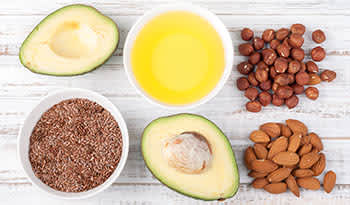
To follow a healthy version of the keto diet, it is important to focus on foods rich in health-promoting fats and oils, such as those found in nuts and seeds, olive oil, avocados, fish, and other seafood. It is also important to choose grass-fed varieties of beef, lamb, and other meats.
Best Vitamins For The Keto Diet
The keto diet can lead to nutritional deficiencies, especially for thiamine (vitamin B1), folate, vitamin C and D, calcium, magnesium, and potassium. The potassium loss can be significant, especially during the initial phase of carbohydrate restriction, promoting increased kidney excretion of sodium and potassium. This shift in electrolyte balance may contribute to fatigue, headache, and muscle cramping, commonly referred to as the “keto flu.” Using a potassium chloride-based salt substitute can be very beneficial for maintaining potassium levels within the proper range, especially during the initial phase.
The keto diet can also cause disturbed digestive function that leads to gas, bloating, and changes in bowel movements. These minor digestive complaints can sometimes respond favorably to the use of digestive enzymes.
References:
- Nuwaylati D, Eldakhakhny B, Bima A, Sakr H, Elsamanoudy A. Low-Carbohydrate High-Fat Diet: A SWOC Analysis. Metabolites. 2022 Nov 17;12(11):1126.
- Dyńka D, Kowalcze K, Paziewska A. The Role of Ketogenic Diet in the Treatment of Neurological Diseases. Nutrients. 2022 Nov 24;14(23):5003.
- Puchalska P, Crawford PA. Multi-dimensional roles of ketone bodies in fuel metabolism, signaling, and therapeutics. Cell Metab 2023;35(3):345-362.
- Bueno NB, de Melo ISV, de Oliveira SL, da Rocha Ataide T. Very-low-carbohydrate ketogenic diet v. low-fat diet for long-term weight loss: A meta-analysis of randomized controlled trials. Br J Nutr 2023;129(5):839-850.
- Seidelmann SB, Claggett B, Cheng S, Henglin M, Shah A, Steffen LM, Folsom AR, Rimm EB, Willett WC, Solomon SD. Dietary carbohydrate intake and mortality: a prospective cohort study and meta-analysis. Lancet Public Health. 2018 Sep;3(9):e419-e428.
- Shan Z, Guo Y, Hu FB, et al. Association of low-carbohydrate diet score with total and cause-specific mortality. JAMA Netw Open. 2023;6(3):e234987.
- Volek JS, Phinney SD. Metabolic characteristics of keto-adapted ultra-endurance runners. Metabolism. 2024;147:155665.
DISCLAIMER:
These statements have not been approved by the Food and Drug Administration. These products are not intended to diagnose, treat, cure, or prevent disease.



























































 Table of Contents